Empresas Premium






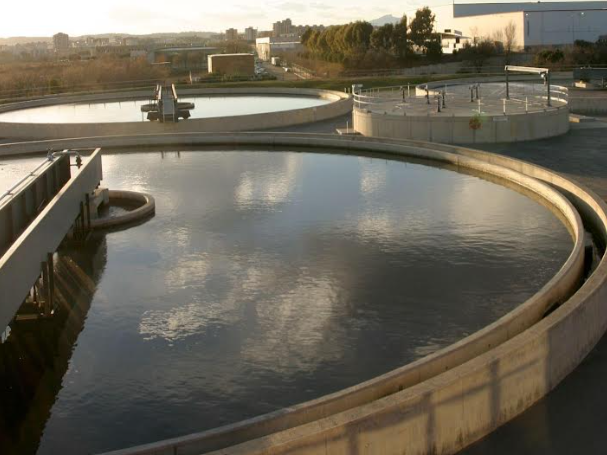
EDAR Sabadell | Sabadell WWTP
La resistencia antimicrobiana (AMR) representa uno de los mayores desafíos sanitarios del siglo XXI, con las redes de saneamiento urbano actuando como potenciales reservorios y vías de dispersión de bacterias resistentes. Este artículo presenta los resultados del proyecto GAUSS, una iniciativa pionera que ha mapeado la presencia de genes y bacterias resistentes en el alcantarillado de Sabadell, estableciendo las bases para un sistema de vigilancia epidemiológica basado en aguas residuales que contribuye al enfoque integrado "One Health".
La resistencia a los antimicrobianos (AMR, por sus siglas en inglés) se ha convertido en una amenaza importante para la salud pública a nivel mundial y representa uno de los mayores retos sanitarios del siglo XXI. Su expansión, propiciada por el uso inadecuado y excesivo de antibióticos tanto en el ámbito clínico como el doméstico, compromete la eficacia terapéutica al provocar la aparición de bacterias patógenas capaces de resistir los tratamientos convencionales, y genera, a la vez, un impacto sanitario y económico de gran escala. Las aguas residuales urbanas, donde confluyen residuos hospitalarios, domésticos e industriales, pueden actuar como reservorios de genes de resistencia antimicrobiana (ARGs), bacterias resistentes (ARBs) y bacterias multirresistentes (MDR), facilitando su dispersión ambiental.
El sistema de alcantarillado urbano constituye un punto clave para comprender y abordar esta problemática. En este sentido, la epidemiología basada en aguas residuales (WBE, por sus siglas en inglés) se ha consolidado como una estrategia eficaz para monitorizar la presencia de contaminantes biológicos y químicos en la población, habiéndose validado su utilidad durante la pandemia de la COVID-19 y emerge como herramienta estratégica para la monitorización de la AMR en el contexto del enfoque “One Health”. Sin embargo, los estudios a escala de ciudad, que permiten identificar fuentes puntuales de descarga de ARGs y MDR dentro de una red de saneamiento, aún son escasos.
Además, hay que tener en cuenta que si bien las aguas residuales se tratan en las Estaciones Depuradoras de Agua Residual (EDARs), los tratamientos de depuración no están optimizados para la eliminación completa de antibióticos y bacterias resistentes y en consecuencia, pueden llegar a ecosistemas naturales como ríos y mares.
Ante este reto, Cetaqua-Centro Tecnológico del Agua, el Institut d´investigació i innovació Parc Taulí (I3PT), el Hospital Universitari Parc Taulí, Aigües Sabadell y Labaqua colaboraron en el proyecto GAUSS, con el objetivo de conocer la prevalencia de bacterias y genes de resistencia a los antibióticos en puntos clave de la red de alcantarillado de Sabadell (Barcelona, Cataluña) con el principal objetivo de identificar posibles focos de origen de AMR para anticiparse a la emisión de estas al medio, contribuyendo a la toma de decisiones para posibles regulaciones, comunicaciones o adaptación de la administración de antibióticos a la población.
Para ello, GAUSS combinó análisis metagenómicos, fenotípicos y genómicos para caracterizar tanto ARGs como ARBs y MDR. Esta aproximación integral permitió caracterizar con alta precisión los focos de mayor riesgo y establecer relaciones entre la actividad humana —especialmente hospitalaria— y la presencia de AMR.
Antimicrobial resistance (AMR) represents one of the greatest health challenges of the 21st century, with urban sanitation networks acting as potential reservoirs and pathways for the spread of resistant bacteria. This article outlines the results of the GAUSS project, a pioneering initiative that has mapped the presence of resistant genes and bacteria in the sanitation system of Sabadell, laying the foundations for a wastewater-based epidemiological surveillance system that contributes to the integrated “OneHealth” approach.
Antimicrobial resistance (AMR) has become a major threat to public health worldwide and constitutes one of the greatest health challenges of the 21st century. The spread of AMR, driven by inappropriate and excessive use of antibiotics in both clinical and domestic settings, compromises therapeutic efficacy by promoting the development of pathogenic bacteria capable of resisting conventional treatments, while generating a large-scale health and economic impact. Urban wastewater, where hospital, household and industrial waste converge, can act as a reservoir for antimicrobial resistance genes (ARGs), antibiotic-resistant bacteria (ARBs) and multidrug-resistant (MDR) bacteria, facilitating their dispersal in the environment.
The urban sanitation system is of key importance in understanding and addressing this issue. Wastewater-based epidemiology (WBE) has become established as an effective strategy for monitoring the presence of biological and chemical contaminants in the population, having been validated during the COVID-19 pandemic and emerging as a strategic tool for AMR monitoring in the context of the “OneHealth” approach. However, city-scale studies, which allow the identification of point sources of ARGs and MDR bacteria discharge within a sanitation network, are still scarce.
Furthermore, it should be noted that although wastewater is treated at Wastewater Treatment Plants (WWTPs), the treatment processes are not optimised for the complete removal of antibiotics and resistant bacteria, which can, therefore, end up in natural ecosystems such as rivers and seas.
To address this challenge, Cetaqua-Water Technology Centre, el Institutd´investigació i innovacióParcTaulí (I3PT), Hospital UniversitariParcTaulí, Aigües Sabadell and Labaqua collaborated on the GAUSS project. The goal was to gather information on the prevalence of bacteria and antibiotic resistance genes at key points of the sanitation network in Sabadell (Barcelona, Catalonia), with the primary objective being to identify potential AMR sources in order to anticipate the release of these genes into the environment, thus aiding decision-making associated with possible legislation, communications or adaptation of the administration of antibiotics to the population.
To achieve this, GAUSS combined metagenomic, phenotypic and genomic analyses to characterise ARGs, ARBs and MDR bacteria. This comprehensive approach enabled high-precision characterisation of the source points of greatest risk and the establishment of relationships between human activity -especially healthcare practices in hospital environments- and the presence of AMR.
|